English
 Arabic
 French
 Spanish
 Portuguese
 Deutsch
 Turkish
 Dutch
Dutch
 Italiano
 Russian
 Romaian
 Portuguese (Brazil)
 Greek
Greek

Pure 12 Website To Buy Verified Bitget Account
Other |
2025-12-30 00:00:49
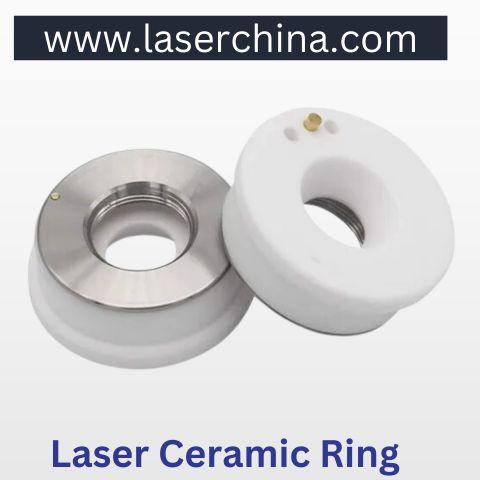
Laser ceramic rings are redefining the standards of precision engineering in high-power laser systems. These high-performance components, designed primarily for fiber and CO₂ laser cutting heads, deliver exceptional resistance to heat, wear, and corrosion. Their innovative ceramic construction makes them indispensable for stable, high-efficiency laser output, especially in demanding industrial environments like metal processing, automotive manufacturing, and electronics.
At LaserChina, we recognize the essential role ceramic laser rings play in modern laser cutting systems. Let’s explore the in-depth benefits, structure, materials, and use cases of Laser Ceramic Ring—and why they’re the go-to component for professionals seeking both performance and longevity.
A laser ceramic ring is a high-precision insulating component mounted in the laser cutting head. It acts as the interface between the nozzle and the rest of the optical system, ensuring reliable signal transmission while withstanding extreme operational conditions. Its primary roles are:
Electrical insulation for capacitive height sensing
Stable nozzle positioning
Heat resistance during high-energy beam delivery
| Feature | Benefit |
|---|---|
| High dielectric strength | Ensures safe signal insulation under high voltage |
| Thermal shock resistance | Withstands rapid heating and cooling cycles |
| High hardness | Resists mechanical wear from nozzle adjustments |
| Excellent dimensional stability | Maintains form under prolonged high-heat environments |
| Compatible with OEMs | Works with leading laser brands (Precitec, RayTools, etc.) |
1. Capacitance Signal Integrity
In laser cutting, maintaining the correct distance between the nozzle and the workpiece is vital. Ceramic rings ensure precise height control through their stable dielectric properties, minimizing signal loss or noise.
2. Protection Against Thermal Expansion
Materials expand under heat—ceramics used in these rings offer ultra-low expansion rates, making them ideal for maintaining accuracy in high-speed cutting.
3. Cost-Efficient Maintenance
Laser ceramic rings are affordable to replace and prevent costly downtime by protecting the cutting head’s internal components from debris and overheating.
Sheet Metal Fabrication
High-power fiber lasers demand components that can endure extreme cycles. Ceramic rings ensure continuous and uninterrupted cutting.
Automotive Parts Manufacturing
Precision-cut parts, like gears and panels, rely on laser heads equipped with high-quality ceramic rings for smooth and accurate operation.
Medical Device Engineering
Intricate designs in stainless steel and titanium require flawless beam guidance, something ceramic rings support effectively.
Advanced Alumina (Al₂O₃) – Offers excellent electrical insulation and thermal performance.
Zirconia (ZrO₂) – Known for extreme durability and toughness in high-vibration settings.
Silicon Nitride (Si₃N₄) – Lightweight and corrosion-resistant, ideal for fast-moving heads.
These materials are chosen based on application needs—alumina being the most common due to its cost-performance balance.
When selecting a laser ceramic ring for your application, consider:
Compatibility with your laser cutting system (model-specific dimensions)
Temperature and power tolerance
Height sensor signal sensitivity
Frequency of maintenance and replacements
Q1: How often should a laser ceramic ring be replaced?
A: Typically every 6–12 months, depending on operational frequency and material thickness being cut.
Q2: Are ceramic rings interchangeable across different brands?
A: Not always. Each manufacturer designs rings with specific tolerances. Ensure OEM compatibility.
Q3: What happens if a ceramic ring is damaged?
A: Signal transmission may be disrupted, resulting in inaccurate height detection and potential nozzle damage.
Q4: Is there a visible sign that a ceramic ring is failing?
A: Micro-cracks, discoloration, or irregular signal feedback during operation are common indicators.
Inspect weekly for visible cracks or wear
Clean regularly using non-abrasive solvents
Avoid overtightening during nozzle changes
Use OEM-certified parts for replacement
These simple practices can extend the lifespan of your laser ceramic ring and keep cutting performance consistent.
Laser Ceramic Ring are the unsung heroes of precision laser systems. Their durability, electrical insulation, and resistance to environmental stress make them a key part of any industrial laser setup. Investing in quality ceramic rings not only enhances your cutting output but also protects the longevity of your entire system.