 English
 Arabic
 French
 Spanish
 Portuguese
 Deutsch
 Turkish
 Dutch
Dutch
 Italiano
 Russian
 Romaian
 Portuguese (Brazil)
 Greek
Greek

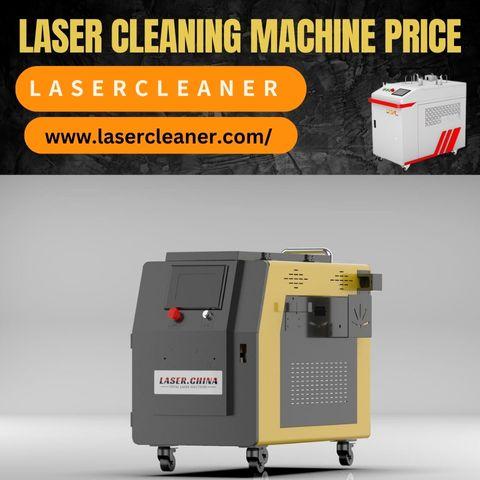
In today’s fast-paced industrial world, efficiency and precision are more important than ever. From automotive plants to aerospace workshops, manufacturers are always looking for ways to improve production quality and reduce downtime. One tool that’s making significant waves in this space is the laser cleaning machine. Unlike traditional abrasive methods, laser cleaning is non-contact, eco-friendly, and highly precise, offering a compelling alternative for rust removal, surface preparation, and paint stripping.
Understanding Laser Cleaning Technology
Laser cleaning operates by using high-intensity laser beams to vaporize contaminants from a material’s surface. It’s effective on metals, composites, and even delicate surfaces, removing rust, oil, paint, or oxidation without damaging the base material. This makes it ideal for restoring machinery, prepping surfaces for welding, or cleaning sensitive equipment parts.
There are two primary types of laser cleaning systems: pulsed and continuous wave. Pulsed lasers are best for precision work, while continuous wave lasers offer faster cleaning speeds for larger-scale applications. Choosing between the two depends on your specific needs, including material type, cleaning area, and desired speed.
Factors Influencing Laser Cleaning Machine Price
The laser cleaning machine price varies significantly based on several factors. Power output is a major determinant—machines typically range from 50W for light applications to over 2000W for heavy-duty industrial cleaning. Higher wattage allows for faster and deeper cleaning but comes with a steeper investment.
Other price influencers include the type of laser source, portability, cooling systems (air-cooled vs. water-cooled), and additional features like automatic control interfaces or safety enclosures. Industrial-grade machines designed for continuous operation will naturally cost more than entry-level units meant for occasional use.
That said, when calculating costs, it’s essential to consider not just the upfront price, but the long-term return on investment. Laser cleaners reduce the need for consumables, lower labor costs, and eliminate chemical disposal issues, making them economically viable over time.
Benefits Across Industries
The versatility of laser cleaning technology makes it suitable for various industries. In the automotive sector, it’s used to prepare surfaces for bonding or coating. In aerospace, it helps remove coatings without altering sensitive components. Art restorers also appreciate its ability to clean delicate surfaces without abrasion.
Additionally, companies focused on sustainability are turning to laser cleaning as a green alternative. It eliminates hazardous waste, minimizes noise, and reduces energy consumption—benefits that align with modern environmental standards and compliance requirements.
Finding the Right Machine for Your Needs
For businesses exploring laser cleaning solutions, it’s crucial to partner with a provider that offers tailored recommendations based on your operational requirements. Brands like lasercleaner offer a wide range of options backed by industry expertise, helping users find the best equipment for their cleaning needs. Whether you're focused on compact systems for occasional tasks or industrial setups for continuous production lines, their offerings strike a balance between performance and affordability.
Understanding the full scope of laser cleaning solutions will empower decision-makers to invest wisely. When assessing the laser cleaning machine price, remember to weigh functionality, longevity, and service support along with the sticker price.

