English
 Arabic
 French
 Spanish
 Portuguese
 Deutsch
 Turkish
 Dutch
Dutch
 Italiano
 Russian
 Romaian
 Portuguese (Brazil)
 Greek
Greek

Amanah Residential Towers – A Golden Opportunity for Your Future
Networking |
2025-12-17 11:38:11
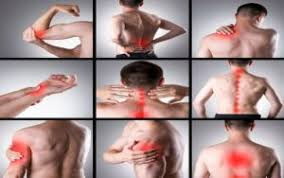
Muscle pain is a common ailment that can significantly impact one's quality of life. It can arise from various factors, including overexertion, injury, or underlying medical conditions. Fortunately, several treatment options are available to help manage muscle pain effectively. One such option is Carisoprodol, a muscle relaxant that has been widely used for pain relief. This article delves into Carisoprodol, exploring its mechanism of action, dosages, potential side effects, and other proven methods for muscle pain relief.
Carisoprodol is a centrally acting muscle relaxant that is primarily used to relieve discomfort associated with acute musculoskeletal conditions. It is typically prescribed for short-term use in conjunction with rest and physical therapy. Carisoprodol is available in 350 mg and 500 mg tablet formulations, allowing healthcare providers to tailor the dosage to the patient's needs.
Carisoprodol works by affecting the central nervous system (CNS) to induce muscle relaxation. It is believed to block pain sensations between the nerves and the brain. While its exact mechanism of action is not fully understood, it is thought to inhibit the transmission of pain signals and enhance the effects of other medications.
Carisoprodol is indicated for the relief of muscle spasms and associated pain in conditions such as:
Carisoprodol is typically prescribed at the following dosages:
Adults: The standard dose is 350 mg taken three times a day and at bedtime. In some cases, the healthcare provider may prescribe the 500 mg tablet depending on the patient's condition and response to treatment.
Duration of Use: Carisoprodol is recommended for short-term use, generally not exceeding two to three weeks, due to the risk of dependence and tolerance.
One of the primary benefits of Carisoprodol is its ability to provide rapid relief from muscle pain and discomfort. Patients often report feeling relief within an hour of taking the medication.
By alleviating muscle spasms and pain, Carisoprodol can improve mobility and facilitate physical therapy, which is crucial for recovery from injuries.
Carisoprodol can be used in conjunction with other pain relief methods, such as nonsteroidal anti-inflammatory drugs (NSAIDs), physical therapy, and lifestyle modifications, to enhance overall treatment efficacy.
While Carisoprodol can be effective for muscle pain relief, it is essential to be aware of potential side effects, which may include:
Carisoprodol has a potential for abuse and dependence, particularly when used for prolonged periods. Patients should follow their healthcare provider's instructions carefully and report any concerns regarding the use of this medication.
In addition to Carisoprodol, several other proven methods can aid in muscle pain relief:
Physical therapy involves exercises and treatments designed to restore movement and function to injured or weakened muscles. A physical therapist can develop a personalized program that includes:
Heat Therapy: Applying heat to sore muscles can promote blood flow and relaxation. Methods include warm baths, heating pads, or warm towels.
Cold Therapy: Cold packs can reduce inflammation and numb the area, which can be particularly helpful after acute injuries. Alternating between heat and cold can provide optimal relief.
Over-the-counter NSAIDs such as ibuprofen and naproxen can help reduce inflammation and pain. They can be used in conjunction with Carisoprodol for enhanced relief.
Massage therapy can help relieve muscle tension, improve circulation, and promote relaxation. It is especially beneficial for chronic muscle pain and can be performed by a licensed massage therapist.
Acupuncture involves inserting thin needles into specific points on the body to relieve pain. Research has shown that acupuncture can be effective in managing various types of pain, including muscle pain.
Regular physical activity and stretching can prevent muscle pain by keeping muscles flexible and strong. Low-impact exercises such as walking, swimming, or yoga can be beneficial for overall muscle health.
Maintaining proper posture while sitting, standing, or lifting can help prevent muscle strain and pain. Ergonomic adjustments to workspaces and daily activities can further reduce the risk of developing muscle pain.
A balanced diet rich in anti-inflammatory foods can support muscle health. Foods such as fatty fish, nuts, seeds, fruits, and vegetables are known to have anti-inflammatory properties. Staying hydrated is also crucial for overall muscle function.
Chronic stress can contribute to muscle tension and pain. Techniques such as mindfulness, meditation, and yoga can help manage stress levels and promote relaxation.
To maximize the benefits of muscle pain relief, Carisoprodol can be combined with various treatment modalities:
Healthcare providers often recommend an integrated approach to pain management, which may include:
Pharmacological interventions: Utilizing Carisoprodol alongside NSAIDs or other pain-relieving medications.
Physical rehabilitation: Incorporating physical therapy to improve strength and flexibility.
Alternative therapies: Adding acupuncture, massage, or chiropractic care to enhance overall treatment efficacy.
Encouraging patients to adopt lifestyle changes can significantly improve muscle pain outcomes:
Regular exercise: Engaging in regular physical activity to strengthen muscles and improve endurance.
Healthy sleep habits: Ensuring adequate rest to facilitate muscle recovery.
Balanced nutrition: Consuming a diet that supports muscle health and reduces inflammation.
Muscle pain can be debilitating, but effective relief is available. Carisoprodol, available in 350 mg and 500 mg dosages, can provide rapid and effective relief from muscle spasms and discomfort when used appropriately. Combining Carisoprodol with other proven methods, such as physical therapy, heat and cold therapy, exercise, and stress management techniques, can lead to improved outcomes for individuals suffering from muscle pain.
It is essential for patients to work closely with their healthcare providers to develop a personalized treatment plan that addresses their unique needs. With the right approach, individuals can successfully manage their muscle pain and enhance their overall quality of life.