 English
 Arabic
 French
 Spanish
 Portuguese
 Deutsch
 Turkish
 Dutch
Dutch
 Italiano
 Russian
 Romaian
 Portuguese (Brazil)
 Greek
Greek

MMOexp - The Most Annoying Part of Vessel of Hatred Isn’t the Combat
Games |
2025-07-29 07:32:19
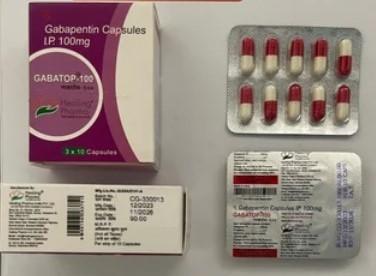
Gabapentin, a widely prescribed medication known for its effectiveness in managing various conditions, offers relief and renewal to many individuals. In the realm of gabapentin dosages, the choice between 100mg and 300mg can significantly impact treatment outcomes. Understanding the nuances between these dosages is crucial in tailoring medication regimens to individual needs. This article delves into the comparative efficacy of Gabapentin 100mg and 300mg, exploring their respective benefits in pain management and neuropathic conditions. By unraveling the complexities of gabapentin dosing, readers can gain insights into finding the right dosage for optimal relief and rejuvenation.
Gabapentin 100mg belongs to the group of drugs known as anticonvulsants. By reducing the brain's aberrant excitation, gabapentin helps cure seizures. By altering the body's perception of pain, gabapentin reduces PHN pain.
Imagine Gabapentin as a superhero swooping in to save the day by calming overexcited nerves. It works by blocking certain pain signals in the brain.
Gabapentin is like a Swiss Army knife in the world of medicine, used to tackle various issues like nerve pain, seizures, and even restless legs syndrome.
Just like finding the right ice cream scoop, Gabapentin doses come in different sizes. 100mg and 300mg are popular options on the menu of relief.
Think of Gabapentin 100mg as a gentle hug for your nerves, while the 300mg dose is like a bear hug – stronger and more potent.
Studies show that both doses can be effective, but the 300mg dose might pack more punch in certain situations.
Gabapentin 100mg may not be the biggest kid on the block, but it can still stand its ground in managing various types of pain.
Take Gabapentin 100mg as prescribed by your healthcare provider – they're the captain of this pain-relief ship.
In the brain, Gabapentin 300 mg reduces pain and stops convulsions in some nervous system disorders. Regular pain from arthritis or mild injuries is not treated with it. One anticonvulsant is gabapentin.
When it comes to battling nerve pain, Gabapentin 300mg steps up to the plate with its extra strength to help you reclaim your comfort.
Don't just take our word for it – hear from real-life heroes who have found relief with Gabapentin 300mg in their battle against neuropathic conditions.
Gabapentin, like any other medication, comes with its own set of side effects. At the 100mg dosage, common side effects may include dizziness, drowsiness, and mild gastrointestinal disturbances. Meanwhile, at the 300mg dosage, these side effects may intensify, with some individuals experiencing increased dizziness and fatigue. It's important to monitor how your body reacts to gabapentin and consult with your healthcare provider if you experience any concerning side effects.
Gabapentin can interact with certain medications, such as opioids, antacids, and some antidepressants. These interactions can potentially amplify side effects or reduce the effectiveness of one or both medications. Always inform your healthcare provider about all the medications you are taking to avoid any adverse interactions while using gabapentin.
Everyone's body responds differently to medications, and gabapentin is no exception. Factors such as age, weight, overall health, and other medications being taken can influence how your body processes and responds to gabapentin. It may take some trial and error to find the optimal dosage that works best for you.
Your healthcare provider plays a crucial role in helping you determine the right gabapentin dosage. If you feel that the current dosage is not providing adequate relief or is causing uncomfortable side effects, don't hesitate to consult with your healthcare provider. They can make dosage adjustments or explore alternative treatment options tailored to your needs.
Finding the right gabapentin dosage may involve a bit of trial and error. Starting at a lower dosage, such as 100mg, and gradually increasing it while monitoring your symptoms can help determine the most effective dose for you. Be patient with the process and communicate openly with your healthcare provider about your experiences.
Regularly monitoring how your body responds to gabapentin is key to optimizing your treatment. If you notice a decrease in efficacy or experience new side effects, inform your healthcare provider promptly. Adjusting the dosage or considering alternative dosing schedules can help maintain the benefits of gabapentin therapy while minimizing unwanted effects.
Selecting the right gabapentin dosage involves considering individual factors, monitoring side effects, and collaborating with your healthcare provider. By taking a personalized approach to dosing, you can maximize the benefits of gabapentin therapy while minimizing potential drawbacks.
Empower yourself to advocate for your healthcare needs, including discussions about gabapentin dosage. Your voice matters in the treatment process, and open communication with your healthcare provider can lead to effective dosage adjustments that enhance your overall well-being. In conclusion, the journey to finding the right dose of Gabapentin - whether it be 100mg or 300mg - is a personalized and nuanced process. By weighing the efficacy, side effects, and individual responses to each dosage, individuals can work with healthcare providers to tailor their treatment for maximum relief and renewal. Embracing this journey of exploration and adjustment can lead to a more optimized and effective management of conditions that Gabapentin is prescribed for, ultimately fostering a path towards improved well-being and quality of life.


