English
 Arabic
 French
 Spanish
 Portuguese
 Deutsch
 Turkish
 Dutch
Dutch
 Italiano
 Russian
 Romaian
 Portuguese (Brazil)
 Greek
Greek

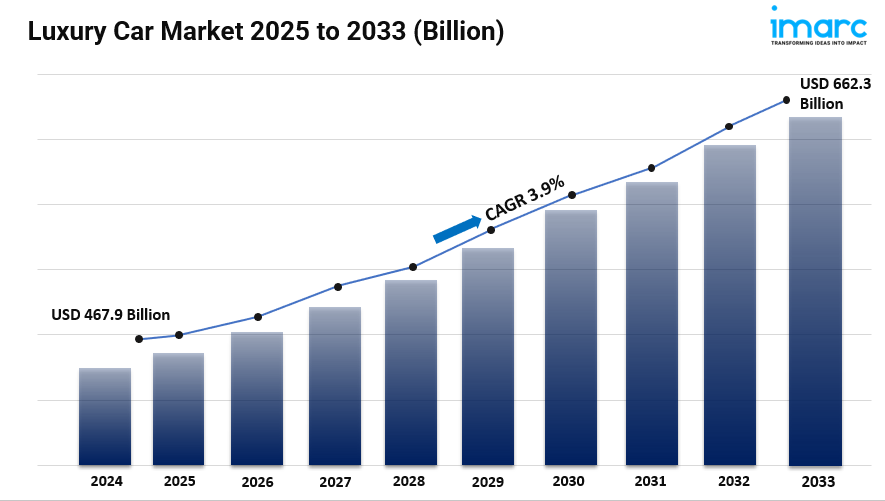
Luxury Car Market Size, Trends, Key Players, Opportunity and Forecast 2025-2033
Other |
2025-04-25 09:57:51
Steel angles are among the most commonly used structural sections in construction, fabrication, and industrial projects. Despite their simple L-shaped geometry, incorrect specification of steel angles can lead to cost overruns, delays, fabrication issues, or even structural non-compliance. For procurement teams and buyers, a clear and complete specification is critical to ensure the right material arrives on site—on time and within budget.
This checklist walks you through the key parameters every buyer should define when procuring steel angles.
The first step is specifying whether the requirement is for equal angles (both legs of the same size) or unequal angles (legs of different sizes).
Equal angles are commonly used for bracing, frames, and general fabrication.
Unequal angles are preferred where directional strength or space constraints exist.
Always mention the leg dimensions clearly (for example, 75 × 75 × 6 mm or 100 × 75 × 8 mm) to avoid ambiguity.
Steel angles are specified by leg size × leg size × thickness. Even small variations in thickness affect weight, strength, and pricing.
Buyers should:
Specify dimensions in millimetres
Cross-check required thickness against design loads
Avoid generic terms like “heavy” or “standard” angle sections
Referencing standard size tables helps prevent ordering non-standard sections that may increase lead time or cost.
Steel angles must conform to a recognized manufacturing standard. In India, common standards include:
IS 808 for dimensions
IS 2062 for material grades
International projects may require ASTM, EN, or BS standards. Always mention:
Dimensional standard
Material standard
Any specific edition or revision, if applicable
This ensures consistency in quality and avoids disputes during inspection.
Steel grade determines strength, weldability, and performance. Common grades include:
IS 2062 E250 for general structural use
IS 2062 E350 for higher strength applications
Buyers should align the grade with:
Structural design requirements
Welding and fabrication processes
Cost-performance balance
Over-specifying grade increases cost, while under-specifying risks structural failure.
Standard steel angle lengths are typically 6 or 12 meters. However, fabrication needs may require:
Fixed cut lengths
Random lengths
Tolerances on length variation
Clearly stating length requirements reduces on-site cutting, material wastage, and labour costs.
Steel angles can be ordered by:
Weight (metric tonnes)
Number of pieces of a specified length
Procurement teams should ensure alignment between drawings, BOQs, and purchase orders. Including a theoretical weight reference (kg/m) helps verify delivered quantities and prevents billing discrepancies.
The surface finish impacts corrosion resistance and downstream processing. Buyers should specify whether the angles are:
Black (as rolled)
Primed
Galvanized
Painted or coated
For outdoor or corrosive environments, galvanizing or protective coatings may be mandatory. Also specify if mill scale removal or shot blasting is required.
If angles will be welded, drilled, or bent, buyers should:
Specify weldability requirements
Ask for chemical composition limits if critical
Define testing needs such as ultrasonic testing or dimensional inspection
Clear upfront communication avoids rejection during fabrication.
Mill Test Certificates provide traceability and confirm compliance with standards. Buyers should request:
Heat number
Chemical composition
Mechanical properties
Standard reference
MTCs are especially important for infrastructure, government, and export projects.
Finally, include logistics details such as:
Delivery location and schedule
Packing requirements (bundling, tagging, weather protection)
Acceptance criteria and inspection rights
Clear Incoterms and delivery timelines reduce disputes and ensure smooth project execution.
Specifying MS angles correctly is not just a technical exercise—it’s a procurement best practice. A well-defined checklist helps buyers avoid costly errors, ensures compliance with design intent, and improves coordination between engineering, procurement, and fabrication teams.
By standardizing how steel angles are specified, buyers can achieve better cost control, faster execution, and consistent quality across projects.