 English
 Arabic
 French
 Spanish
 Portuguese
 Deutsch
 Turkish
 Dutch
Dutch
 Italiano
 Russian
 Romaian
 Portuguese (Brazil)
 Greek
Greek

Głos, Który Odnalazł Ciszę
Other |
2025-11-09 09:45:52
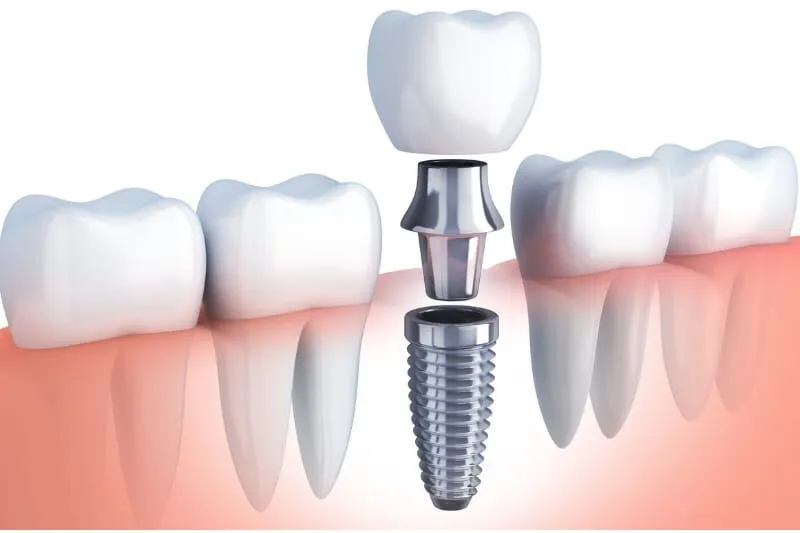
In the world of dental care, ensuring that patients feel comfortable and relaxed during procedures is a top priority for dental professionals. Among the many sedation options available, laughing gas, or nitrous oxide, stands out as one of the most common and popular choices. Whether it's a routine cleaning or a more involved procedure, nitrous oxide helps alleviate anxiety, manage pain, and promote a more pleasant dental experience for patients of all ages.
In this comprehensive guide, we will delve into what laughing gas is, how it works, its benefits, potential risks, and common uses in dental procedures. We’ll also explore why it’s such a valuable tool for dental professionals in creating a positive, stress-free environment for their patients.
Laughing gas is the common name for nitrous oxide (N2O), a colorless, odorless gas that has been used for over a century in various medical fields, including dentistry, to provide pain relief and sedation. Despite the name, nitrous oxide doesn’t actually make you "laugh," but it can induce a feeling of euphoria, relaxation, and light-headedness in some people.
The gas is typically administered through a small mask placed over the nose, allowing the patient to breathe in a mixture of nitrous oxide and oxygen. The gas works quickly and can produce mild sedative effects that help patients relax during dental procedures.
Nitrous oxide works by entering the bloodstream through the lungs after it is inhaled. Once in the bloodstream, it quickly travels to the brain, where it produces its calming effects. The exact mechanism of action is not entirely understood, but it is believed that nitrous oxide interferes with certain neurotransmitters in the brain, reducing anxiety and promoting a sense of calm.
When used in a dental setting, nitrous oxide:
Reduces Anxiety: The relaxing effect helps to calm nerves and reduce any anxiety a patient might feel before or during a dental procedure.
Relieves Pain: While nitrous oxide doesn't completely numb the area, it has a mild analgesic effect that can help reduce discomfort during treatment. The gas increases the pain threshold, making minor procedures more tolerable.
Enhances Relaxation: Nitrous oxide can produce a feeling of light-headedness, warmth, and well-being, which contributes to a greater sense of relaxation and makes the dental experience more pleasant.
Is Reversible: Unlike other sedative medications, the effects of nitrous oxide are short-lived. As soon as the gas is turned off, its effects quickly wear off, allowing the patient to resume normal activities shortly after the procedure.
There are numerous reasons why nitrous oxide is a preferred sedation option for dental procedures. Here are some of the key benefits:
One of the most appealing aspects of laughing gas is that it provides mild sedation, which is perfect for patients who need just enough relaxation to make their dental visit more comfortable. Unlike general anesthesia or intravenous sedation, nitrous oxide allows patients to remain conscious and responsive throughout the procedure. Furthermore, the effects of nitrous oxide wear off rapidly once the mask is removed, allowing patients to return to their normal activities almost immediately. This makes it an excellent choice for individuals who need to drive themselves home afterward or resume their regular routine without extended downtime.
Dental anxiety is a common issue that prevents many people from seeking necessary dental care. For individuals who are particularly nervous or have a fear of dental procedures, laughing gas can significantly reduce that anxiety. The calming and euphoric effects of nitrous oxide make it easier for patients to relax, allowing them to get through the procedure with much less distress.
Although nitrous oxide is not a numbing agent like local anesthesia, it has a mild analgesic effect, meaning it can reduce the perception of pain during dental treatments. This can be particularly helpful for procedures that may cause mild discomfort, such as dental cleanings, fillings, or minor extractions.
One of the great advantages of laughing gas is how easy it is to administer. A dentist or dental hygienist can quickly control the flow of nitrous oxide, adjusting the concentration of the gas to suit the needs of the patient. If a patient requires more sedation or a stronger effect, the dental team can simply increase the gas mixture. If the patient experiences any discomfort or anxiety, the gas concentration can be lowered in real time.
Unlike other forms of sedation, such as intravenous (IV) sedation, laughing gas does not require needles or injections. This is particularly appealing for patients who have a fear of needles or who are looking for a non-invasive way to manage their anxiety during a procedure.
Nitrous oxide is widely regarded as safe for most patients, including children and adults. When administered by a trained professional, it has a low risk of side effects and is suitable for individuals with mild to moderate anxiety or pain. It is often used in pediatric dentistry, making it a popular choice for children who need dental work.
For some patients, dental procedures can trigger a gag reflex, making it difficult to complete treatment. Nitrous oxide can help relax the throat muscles, making it easier for patients to tolerate treatments such as impressions or the placement of crowns.
Nitrous oxide can be used for a wide variety of dental procedures, IV Sedation Dentistry especially those that cause mild to moderate discomfort or anxiety. Common uses include:
Routine Cleanings: For patients with anxiety about dental cleanings, laughing gas can help them feel more relaxed and comfortable during the process.
Fillings and Restorations: Nitrous oxide can help ease the discomfort associated with cavity fillings, root canals, and other restorative treatments.
Tooth Extractions: For minor extractions, such as wisdom teeth or loose baby teeth, nitrous oxide can provide both anxiety relief and pain reduction.
Scaling and Root Planing: For patients with gum disease who need scaling and root planing, laughing gas can help reduce the discomfort associated with these deep cleaning procedures.
Pediatric Dentistry: Nitrous oxide is commonly used in pediatric dentistry to calm children who may be nervous about visiting the dentist, making it easier to complete necessary treatments without the need for more invasive sedation methods.
Minor Oral Surgeries: In some cases, laughing gas may be used for minor oral surgeries that don’t require full anesthesia, such as frenectomy (removal of a frenulum) or biopsy of soft tissue.
While laughing gas is generally considered safe, there are a few potential side effects and risks to be aware of:
Dizziness or Lightheadedness: Some patients may experience dizziness or a feeling of light-headedness during or after inhaling nitrous oxide. This is usually temporary and resolves quickly once the gas is stopped.
Nausea or Vomiting: Although rare, some individuals may experience nausea or vomiting after using laughing gas. This can typically be managed by adjusting the concentration of nitrous oxide.
Excessive Sedation: If too much nitrous oxide is administered, it can cause excessive sedation. However, this is highly unlikely, as the dental team carefully monitors the patient and adjusts the gas levels as needed.
Pregnancy: Nitrous oxide is generally not recommended for pregnant women, particularly during the first trimester, unless absolutely necessary. It is essential to inform the dentist of any potential pregnancies before treatment.
B12 Deficiency: Prolonged exposure to nitrous oxide, especially in higher concentrations, can potentially interfere with vitamin B12 levels in the body. However, this is more likely to occur with repeated, long-term exposure rather than with occasional use in a dental setting.
Laughing gas is an excellent option for many patients who experience mild to moderate anxiety or discomfort during dental visits. However, it may not be the right choice for everyone. Patients with certain medical conditions, such as respiratory or heart problems, should consult with their dentist before using nitrous oxide.
If you are nervous about an upcoming dental procedure or have concerns about pain management, it’s a good idea to talk to your dentist about the possibility of using laughing gas. They can help you determine if nitrous oxide is the best option based on your specific needs and medical history.
Laughing gas (nitrous oxide) is one of the most popular and effective forms of sedation in dentistry, offering patients a comfortable and relaxed experience during dental procedures. With its rapid onset, easy administration, and quick recovery time, nitrous oxide helps alleviate anxiety, reduce pain, and improve the overall dental visit for patients of all ages.
Whether you're undergoing a routine cleaning, having a cavity filled, or facing a more involved procedure, laughing gas can make the experience much more manageable. As always, consult with your dentist to see if nitrous oxide is right for you and to ensure a smooth and stress-free dental experience.
Best Maternity Hospitals in Bhubaneswar — Services & Costs Explained
Best Gynecologist in Bhubaneswar — Complete Guide for Women’s Health
Affordable General Physician Services in Bhubaneswar: A Patient’s Guide
Best Pediatrician in Bhubaneswar – How to Choose for Your Child
Best Pediatrician OPD in Bhubaneswar – ZeLife Healthcare
Best Pathology Lab Clinic Near Me in Bhubaneswar – ZeLife Healthcare Chandrasekharpur
Top Child Specialist Near Chandrasekharpur, Bhubaneswar – ZeLife Healthcare
Gastroenterologist Doctor near Chandrasekharpur, Bhubaneswar – ZeLife Healthcare
Best Clinic Near Chandrasekharpur, Bhubaneswar – ZeLife Healthcare
Best Gastroenterologist Near Chandrasekharpur, Bhubaneswar – ZeLife Healthcare
Gynecologist Hospital in Bhubaneswar – ZeLife Healthcare
Top Child Specialist Near Chandrasekharpur, Bhubaneswar – ZeLife Healthcare
Gastroenterologist Hospital in Bhubaneswar – ZeLife Healthcare
Best Pregnancy Care Doctor near Chandrasekharpur Bhubaneswar – ZeLife Healthcare
Gastroenterologist Clinic near Chandrasekharpur, Bhubaneswar – ZeLife Healthcare
Liver Specialist Hospital in Bhubaneswar – ZeLife Healthcare
Stomach Specialist Hospital in Bhubaneswar – ZeLife Healthcare
Best Newborn Care Doctor near Chandrasekharpur, Bhubaneswar
Best Child Specialist Near Bhubaneswar – A Complete Guide for Parents
Best Gastroenterologist Near Bhubaneswar – Advanced Digestive & Liver Care in Chandrasekharpur
Gastroenterologist Clinic near Bhubaneswar – Expert Digestive & Liver Care at Zelife Healthcare
Pediatrician Hospital in Bhubaneswar – Complete Child & Newborn Care at Zelife Healthcare
Best Gynecologist OPD near Bhubaneswar — Comprehensive Women’s Health Care at Zelife Healthcare
Child Specialist Hospital in Bhubaneswar — Expert Pediatric & Neonatal Care at Zelife Healthcare
