English
 Arabic
 French
 Spanish
 Portuguese
 Deutsch
 Turkish
 Dutch
Dutch
 Italiano
 Russian
 Romaian
 Portuguese (Brazil)
 Greek
Greek

Best Frozen Meal Brands of 2025: Taste, Nutrition & Reviews
Other |
2025-08-06 07:09:43
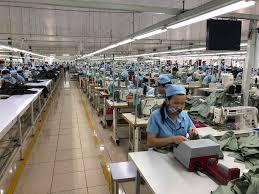
Discover how Bangladesh became a global leader in clothing manufacturing in Bangladesh, fueling economic growth and employment opportunities.
Bangladesh has rapidly emerged as one of the world's top destinations for clothing manufacturing in Bangladesh. Over the past few decades, the country's garment industry has experienced remarkable growth, transforming the economy and providing employment to millions. Today, Bangladesh is the second-largest apparel exporter globally, with its garments being shipped to major markets such as the United States, Europe, and beyond. This success story is a testament to strategic government policies, competitive labor costs, and strong international demand.
The roots of Bangladesh’s textile and garment industry trace back to the early 1980s. Initially, the sector relied heavily on foreign investors and joint ventures with South Korean and European companies. However, with time, local entrepreneurs took charge, and the industry saw exponential growth. Today, Bangladesh is home to over 4,000 garment factories, producing high-quality apparel at competitive prices.
Several key factors have contributed to the booming garment sector in Bangladesh:
One of the biggest advantages for Bangladesh is its abundant supply of affordable labor. The country has one of the lowest minimum wages in the global textile industry, making it an attractive destination for international brands. Additionally, with years of experience, Bangladesh has developed a skilled workforce capable of producing garments efficiently.
The Bangladeshi government has played a crucial role in the industry's success. Policies such as tax incentives, duty-free import facilities for raw materials, and financial support for exporters have boosted growth. The establishment of Export Processing Zones (EPZs) has also provided manufacturers with essential infrastructure and facilities.
Bangladesh has developed a robust backward linkage industry, reducing dependency on imports for raw materials such as fabrics, dyes, and accessories. This has allowed manufacturers to produce garments at a lower cost and ensure timely delivery to international clients.
In recent years, Bangladesh has made significant strides in sustainability. The country is home to some of the world’s most eco-friendly garment factories, with over 200 factories certified by the Leadership in Energy and Environmental Design (LEED). Global brands increasingly prefer sourcing from Bangladesh due to its commitment to green manufacturing.
Bangladesh is known for producing a wide range of garments, including knitwear, woven apparel, and high-fashion items. The country supplies leading brands like H&M, Zara, Adidas, and Levi’s. The growing demand for fast fashion has further accelerated Bangladesh's prominence in global clothing manufacturing.
Despite its success, Bangladesh’s garment industry faces challenges such as labor rights concerns, compliance issues, and infrastructure limitations. However, continuous improvements in working conditions, digitalization of manufacturing processes, and investment in automation are expected to drive further growth.
With the rising global demand for ethical and sustainable fashion, Bangladesh is well-positioned to strengthen its status as a leader in clothing manufacturing in Bangladesh. By focusing on innovation, workforce development, and sustainability, the country can continue its remarkable growth trajectory and maintain its competitive edge in the global apparel market.
The rise of Bangladesh’s garment industry is a true success story, showcasing the country’s ability to adapt, innovate, and compete on a global scale. With strong government policies, a skilled workforce, and an increasing focus on sustainability, Bangladesh remains a powerhouse in clothing manufacturing in Bangladesh. As the industry continues to evolve, Bangladesh is poised for an even brighter future in the global textile and apparel market.